 CLOSE SIDEBAR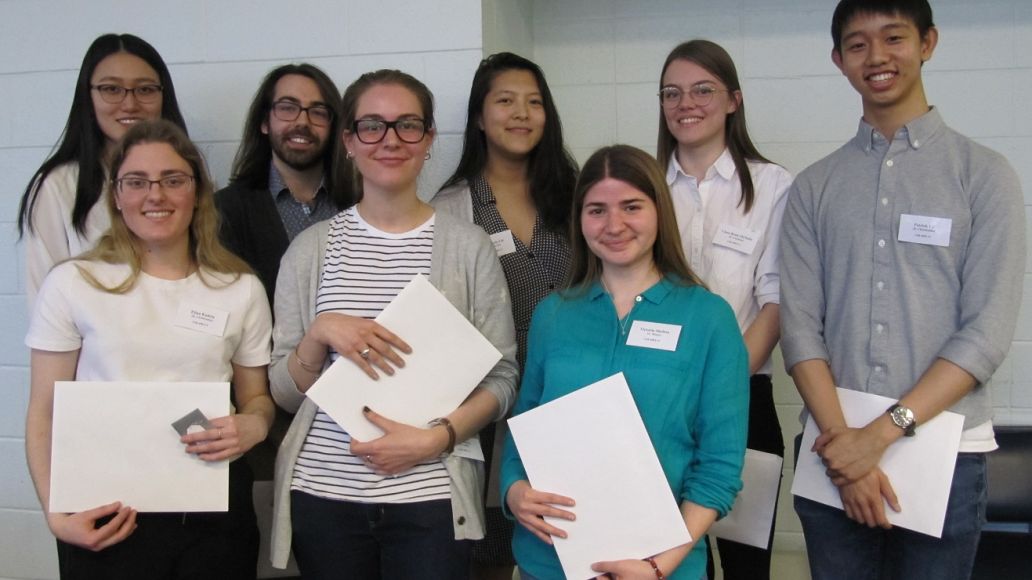
 BCB Guidebook
 BCBSU Facebook
The Department of Cell and Systems Biology (CSB) embraces new methodologies and state-of-the art technologies. Its researchers use a wide range of cutting-edge tools to study the fundamental biological mechanisms that govern interactions at all levels of complexity, ranging from molecules to communities. CSB has particular expertise in high-throughput genomics, chemical biology, imaging, computational, and physiological approaches.
The department offers a range of undergraduate courses that include advanced lectures, seminars and laboratory courses that provide in-depth knowledge in different areas of study. This diverse course offering allows students to customize their educational experience to match their personal interests. There are lab courses offered in all years of study. In addition, many fourth-year courses are discussion-based, which gives students an opportunity to gain in-depth knowledge of specific research areas by analyzing research. CSB also offers a number of research project courses in second, third and fourth year, which take students into active labs to pursue their own research. Students gain valuable practical experience that prepares them for graduate studies.
Our programs
- Animal Physiology (Major)
- Bioinformatics & Computational Biology (Specialist)
- Cell and Molecular Biology (Major and Specialist)
- Genome Biology (Major)
Students enrolled in the Cell and Molecular Biology major or specialist can choose to apply to one of the following Disciplinary Focus Programs:
- Molecular Networks of the Cell
- Plant Genomics and Biotechnology
- Stem Cells and Developmental Biology
Research opportunities
- Independent research courses: available to 2nd, 3rd and 4th year students. In addition to working with a CSB professor and their research teams, students have access to research workshops. During the workshops, students receive valuable information such as getting started in a lab, planning experiments and interpreting results, and preparing research reports and presentations.
- CSB397Y0Y Research Abroad in Cell & Systems Biology: students can gain international research experience while they complete a U of T credit towards their degree. Students may conduct research in labs in locations such as Singapore, Germany and Hong Kong.
- Summer research awards: CSB has awards and scholarships that provide students with an opportunity to do research in a professor’s lab and receive some funding for doing so. These include the NSERC Undergraduate Student Research Awards (USRAs), the CSB Awards and the University of Toronto Excellence Awards (UTEAs)
- Poster sessions: exciting opportunities for students to inform people about the research they have conducted while being engaged in critical discussion and receiving feedback on their work.
Opportunities outside the classroom
- First and Second Year Learning Communities: students have access to research and writing resources and career exploration opportunities.
- Student Unions: through the CSBSU and BCBSU, students have access to different networking opportunities, research seminars, and professional development events led by other students, graduate students and faculty.
- Career exploration: students can take part in the Backpack to Briefcase (b2B) program, which gives them opportunities to speak with alumni and learn about their career paths through networking events and mentorship.
After graduating from Cell and Systems Biology
CSB graduates will have unique skill sets that will prepare them for many different employment opportunities and further education in graduate programs. A BSc degree in Cell and Systems biology will form a strong foundation for individuals who choose to pursue a professional degree in areas such as medicine, dentistry, nursing and other health sciences, veterinary medicine, forensic sciences, business administration, and law. Employment may be found in the public and private sectors in areas such as basic, applied, and clinical research, biotechnology, education, sales, consulting, publishing, and information technology.
In addition to occupations in the areas listed above, students who go on to complete graduate degrees may find employment as professors and/or lead researchers in universities, government, research institutes and industry. Occupations also include those associated with bioinformatics, high-throughput technologies, pharmaceutical discovery, testing, and regulation, and patent law.

Powered by Acadiate
© 2011-2026, Acadiate Inc. or its affiliates · Privacy