

Gross 2
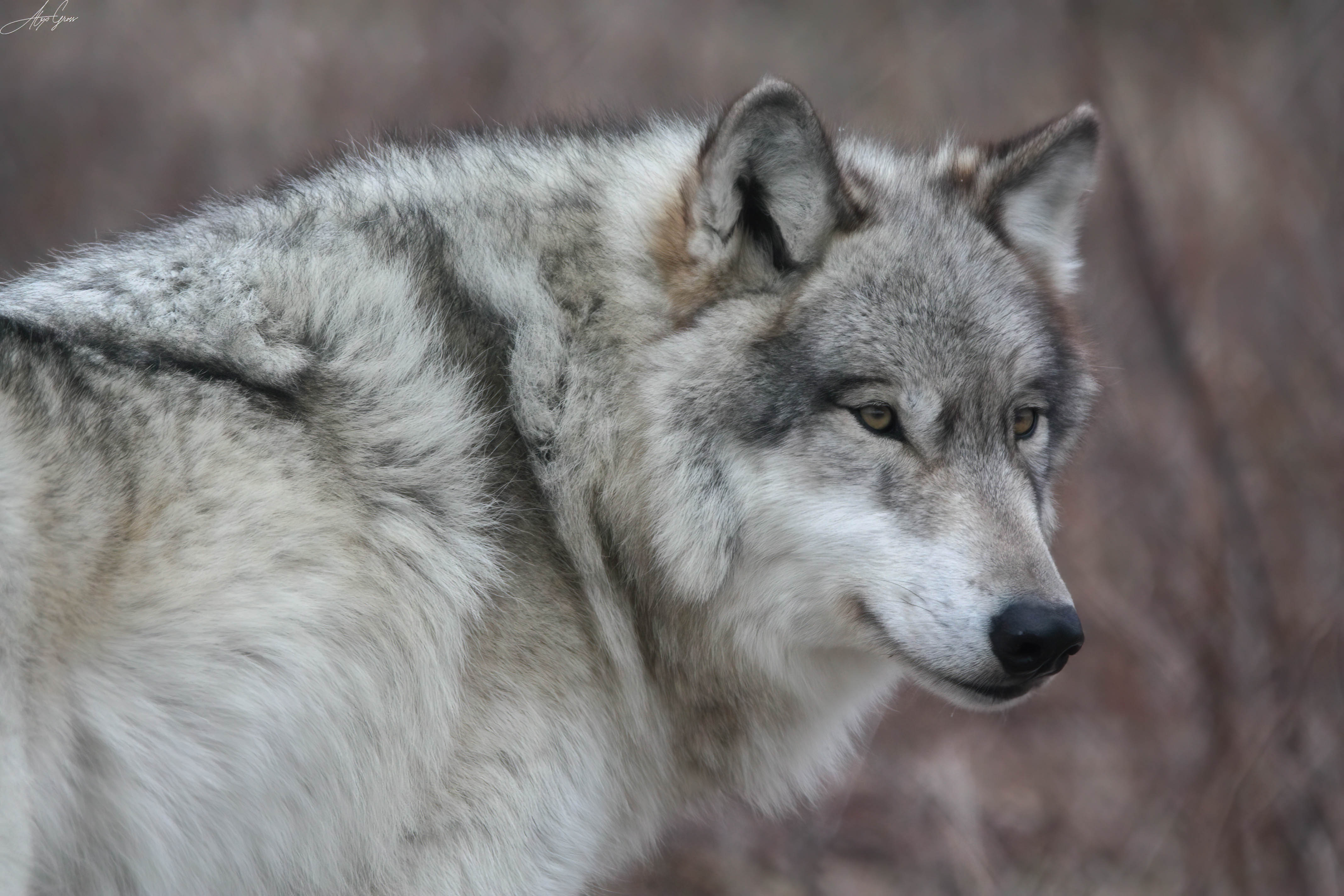
Human conflict with large carnivores has and will continue to increase as our human population grows, which accelerates habitat loss and fragmentation. Gray wolves are no exception to this and have had a lengthy history of conflict with humans throughout the 20th century and in the present, further pushing the need for coexistence. Fladry is commonly used as a mitigator of wolf/human conflict, and generally consists of bright red/orange flags hung from rope material (i.e., nylon rope), extended out, and staked into the ground. The present study investigates the effectiveness of different colors of fladry flags (blue, yellow, and clear) on the avoidance behavior of two captive gray wolves. I hypothesized that wolves would exhibit varying levels of avoidance behavior across the three fladry treatments and predicted that they would exhibit more avoidance behavior during the experimental treatments (blue and yellow), as opposed to the control treatment (clear). There was a significant difference in avoidance between the blue and the clear flag treatments, but none between the yellow and blue, and the yellow and clear flag treatments. With a sample size of two, there is a need to continue this research with a larger sample of wolves, however, these preliminary results support the idea that different flag colors may have varying levels of effectiveness in deterring wolves from specific areas. If this is the case, then fladry effectiveness can be maximized, which will continue to lower wolf depredations on livestock, and alleviate conflict with humans.