
 CLOSE SIDEBAR
SBP 13 - Sustainable Biosurfactants: A Green Solution for Antimicrobial and Industrial Challenges
Biosurfactants, natural surface-active compounds produced by microorganisms, are paving the way for sustainable solutions in a world increasingly concerned about environmental degradation. This project focuses on isolating, screening, and characterizing biosurfactants from bacteria found in oil-polluted soils. These biosurfactants serve as eco-friendly alternatives to synthetic surfactants, which are often derived from petrochemicals and contribute to environmental pollution. The core objective of this research is to address the gap in isolating biosurfactants with high industrial and antimicrobial potential. Microorganisms found in oil-polluted soils, especially bacteria with hydrocarbon-degrading capabilities, have shown immense promise in producing these natural compounds. The study aims to isolate such microorganisms, evaluate their biosurfactant-producing abilities, and explore their applications in diverse industries. Biosurfactants are biomolecules that reduce surface and interfacial tension, enabling the emulsification of hydrophobic substances. They are biodegradable, renewable, and exhibit low toxicity, making them suitable for applications in pharmaceuticals, bioremediation, cosmetics, and enhanced oil recovery. Unlike synthetic surfactants, biosurfactants are sustainable and align with global efforts to mitigate environmental harm. Biosurfactants offer a wide range of functions, including:
Emulsification: They enhance the mixing of oil and water, aiding in applications like oil spill remediation.
Antimicrobial Activity: Biosurfactants inhibit the growth of pathogens, making them suitable for pharmaceutical use. Industrial Applications: They serve as eco-friendly additives in detergents, cosmetics, and cleaning agents.
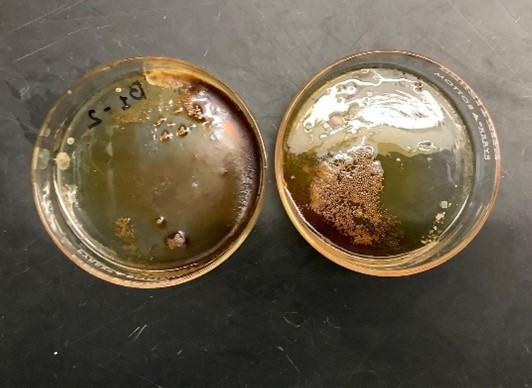
Bioremediation: By degrading hydrocarbons, they help clean up oil-polluted environments. This project was initiated to address the growing need for sustainable alternatives to synthetic chemicals in industrial and environmental applications. The research highlights the potential of harnessing naturally occurring microorganisms from oil-polluted soils, a largely untapped resource, to produce biosurfactants. Through rigorous testing and characterization, the project identifies strains of bacteria capable of producing high-quality biosurfactants with significant antimicrobial and emulsification properties. The findings aim to bridge the gap between academic research and practical applications, providing industries with a sustainable and effective solution to environmental and operational challenges. The research methodology involved collecting soil samples from oil-polluted areas, isolating bacterial strains, and screening them for biosurfactant production. Advanced assays such as hemolytic activity, hydrophobicity (BATH assay), drop-collapse tests, and emulsification activity were used to evaluate the isolates. Out of twelve isolates, four bacterial strains (B1, B5, B7, and B12) demonstrated exceptional potential in producing biosurfactants. These strains showed high levels of emulsification, hydrophobicity, and antimicrobial activity against pathogens like Escherichia coli and Salmonella typhi.
Key results include:
Antimicrobial Activity: The biosurfactants produced by isolates B1 and B5 showed the highest inhibition zones against Escherichia coli (2.5 cm) and Salmonella typhi (2.0 cm).
Emulsification Efficiency: B1 and B5 also demonstrated superior emulsification activity, indicating their potential for industrial applications.
Hydrophobicity: Isolate B12 exhibited the highest hydrophobicity (83.97%), making it particularly effective for hydrocarbon degradation. Applications and Future Prospects The findings of this project have significant implications for various industries:
Pharmaceuticals: Biosurfactants can be developed into eco-friendly antimicrobials to combat antibiotic-resistant bacteria.
Environmental Cleanup: Their ability to emulsify and degrade hydrocarbons makes them ideal for cleaning oil spills and remediating polluted environments.
Industrial Processes: As non-toxic and biodegradable agents, biosurfactants can replace synthetic surfactants in manufacturing and cleaning processes. Future research will focus on scaling up biosurfactant production, optimizing production methods, and exploring genetic engineering to enhance yields. Additionally, the potential applications of biosurfactants in agriculture, cosmetics, and food preservation will be explored. Conclusion This project underscores the transformative potential of biosurfactants as sustainable alternatives to synthetic surfactants. By leveraging the natural capabilities of microorganisms found in oil-polluted soils, it opens new avenues for eco-friendly solutions in industries ranging from pharmaceuticals to environmental remediation. The research not only highlights the importance of biosurfactants in promoting sustainability but also sets a foundation for their broader adoption in addressing global environmental and industrial challenges.
Updated
1 year ago
Powered by Acadiate
© 2011-2026, Acadiate Inc. or its affiliates · Privacy