
 CLOSE SIDEBAR
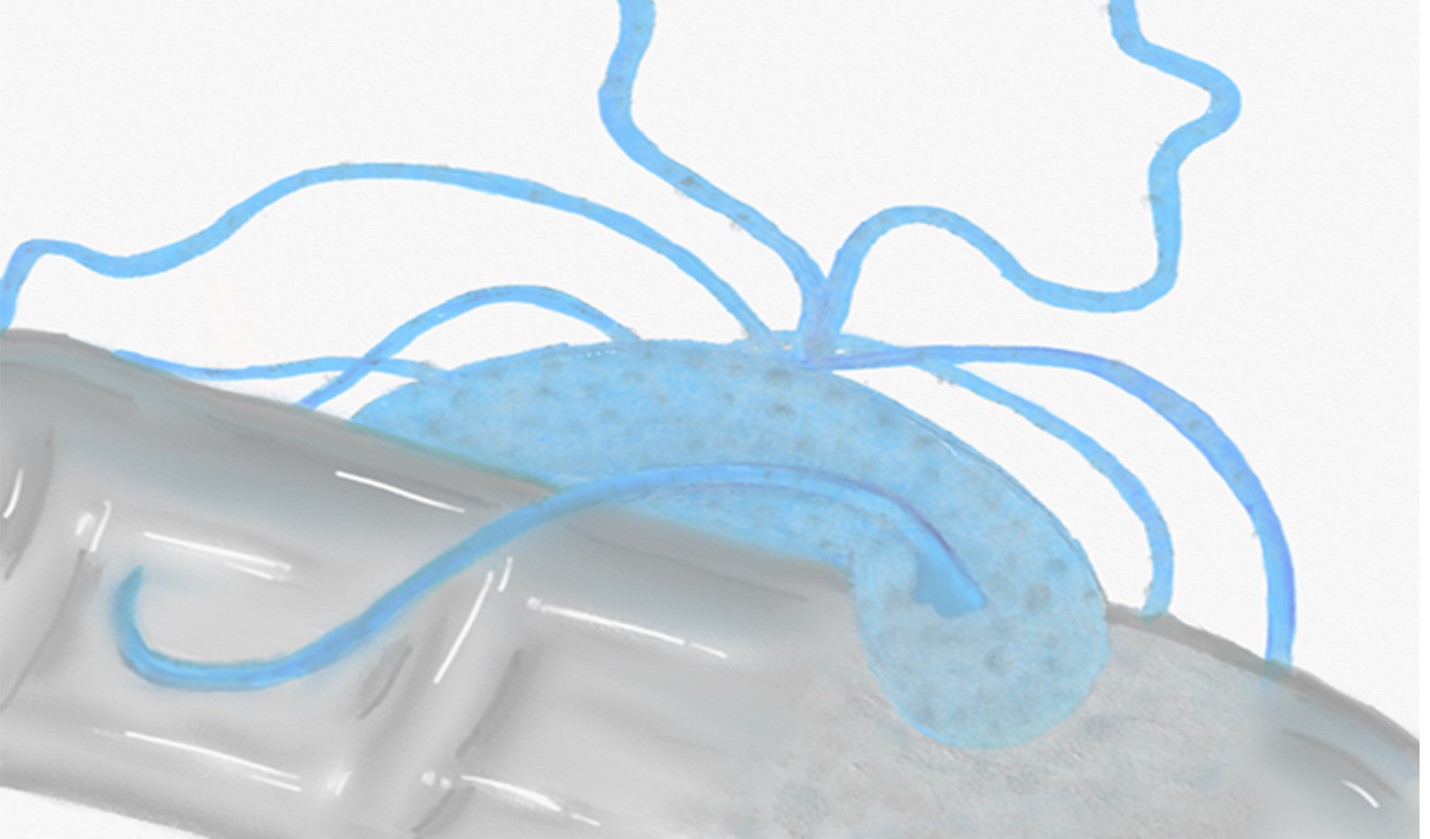
SBP 03 - Bioremediation of LDPE Plastic by Soil Bacteria: A Comparative Study of Known and Isolated Strains
Description:
Plastic pollution is one of the most pressing environmental issues of our time. With millions of tons of plastic waste generated annually, ecosystems are becoming increasingly burdened by non-degradable materials. This project explores the innovative potential of microbial bioremediation to address this crisis by utilizing microorganisms capable of breaking down plastics and transforming them into eco-friendly byproducts.
What is it?
This project involves isolating and characterizing bacterial strains with the ability to degrade plastic, sourced from environmental samples like roadways, wetlands, and trash dumps.
The study focuses on identifying microbial species, specifically Pseudomonas species, that have the potential to break down plastic waste.
What does it do?
The project isolates bacterial colonies from environmental samples and assesses their ability to degrade plastic through biochemical testing and incubation methods.
It demonstrates the potential for bioremediation using microbes to address plastic pollution by measuring weight loss and physical changes in plastic substrates.Why did we create this project?
This project was created to address the growing problem of plastic pollution and its harmful impact on the environment, marine life, and human health. Current waste management methods, such as landfilling and incineration, are insufficient and often worsen environmental problems. We believe that biotechnology, particularly microbial plastic degradation, offers a promising solution.
The project aimed to:
- Innovate: Investigate biological solutions for environmental challenges like plastic waste.
- Educate: Raise awareness about the potential of microorganisms in plastic waste reduction.
- Inspire Action: Show that science-driven innovations can lead to significant, large-scale environmental improvements.
Additionally, there was limited research on extracting soil microorganisms for bioremediation of plastics, making this project an exploration with uncertain outcomes, driven by trial and error.
Scientific Process and Findings
In this study, we isolated bacterial strains with potential plastic-degrading abilities from environmental samples, including soil from a roadside, wetland, and trash dump. The steps followed were:
- Isolation and Characterization: Soil samples were cultured in minimal salt broth (MSB), and bacterial colonies were isolated using serial dilution and plating on Tryptic Soy Agar (TSA) plates. Gram staining, morphological analysis, and biochemical tests (catalase, oxidase, and KOH string tests) identified the isolates as Gram-negative cocci, consistent with Pseudomonas spp..
- Plastic Degradation Testing: We assessed the plastic-degrading potential of the isolates using shaking incubation and vacuum filtration, measuring weight loss and analyzing physical and chemical changes in plastic substrates.
Our findings revealed that Pseudomonas spp. effectively degraded common plastics, such as polyethylene, demonstrating significant plastic-degrading abilities. The results offer promising prospects for using these microorganisms in bioremediation.
Broader Implications
This project contributes to both reducing plastic waste and developing sustainable alternatives. It highlights the potential of biotechnology in addressing environmental challenges and emphasizes the importance of optimizing microbial degradation processes. The findings encourage further exploration of eco-friendly practices across industries, offering a sustainable solution to plastic pollution.
Conclusion
This project explores the use of microbial bioremediation to combat plastic pollution. By isolating Pseudomonas species from environmental samples, we identified bacteria capable of degrading plastics, offering a promising and sustainable alternative to traditional waste management methods. The findings highlight the potential of biotechnology in addressing environmental challenges and underscore the need for further research to optimize microbial plastic degradation. This work contributes to the development of eco-friendly solutions for plastic waste, supporting a cleaner and more sustainable future.
Updated
1 year ago
Powered by Acadiate
© 2011-2026, Acadiate Inc. or its affiliates · Privacy