
 CLOSE SIDEBAR
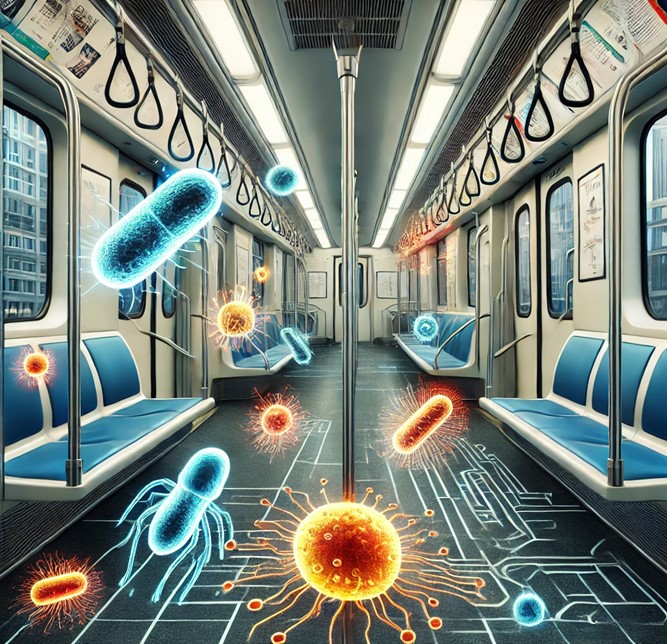
SBP 09 - Microbial Analysis and Antimicrobial Susceptibility Testing of Microorganisms Isolated from TTC, Brampton, and Go Transit Surfaces.
Description:
Public transportation, although indispensable in city infrastructure and serving millions daily, harbors microorganisms in high-contact surfaces, like handrails, seats, and door handles. This research, which investigates microbial contamination across the high-contact surfaces in the three major transit systems in the GTA (Toronto Transit Commission or TTC, Brampton Transit, and GO Transit), deals with the identification of microbial species and testing of resistance against some of the common antibiotics used by people, keeping in mind the seriousness of this issue as related to public health.
What is this?
This project encompasses the in-depth study of microbial contamination of high-touch surface environments in public transit systems. Microbial isolations from swab samples collected from buses and trains were identified and tested for their antibiotic susceptibilities. This project not only presents the extent of microbial contamination but also points to the growth of antibiotic resistance in urban settings.
What does it do?
It detects microorganisms that exist on the surfaces in public transport and classifies them, along with detecting antibiotic resistance patterns. This allows the identification of crucial data relative to those bacteria that pose increased health risks. Common bacterial species that have been isolated include Staphylococcus epidermidis, Escherichia coli, and Enterococcus faecalis showing a notable resistance to an impressive form of antibiotics such as Oxacillin and Erythromycin. This study gives recommendations that are actionable by transit authorities in improving cleaning protocols and educating the public on potential health risks associated with microbial exposure.
Why did you make this project?
The creation of the project was made with a double challenge in mind: microbial contamination and antibiotic resistance in public transit environments. It is a very important concern to assess the risk from microorganisms that call these places home, as millions of commuters use them daily. Public transit surfaces have long been recognized as an important reservoir of potential pathogenic microbes, yet this represents a more significant exposure route for the general population across all ages and health states. In highlighting this issue, the project hopes to contribute to policy changes, improvements in hygiene practices, and thus to a safer public transport experience. Moreover, antibiotic resistance in bacteria is a global health crisis; however, little contribution to this spread has come from the urban environment. Though this project mapped microbial contamination, the resistance patterns between the systems of transit are taken into consideration. It was inspired by the commitment to public health with a need to provide scientific data that can drive practical solutions to everyday problems.
Project Overview:
A total of 16 microbial colonies were isolated from high-contact surface samples from TTC, Brampton Transit, and GO Transit systems. The colonies included 11 from GO Transit, 3 from Brampton Transit, and 2 from TTC, thus showing variations in cleaning practice, passenger density, and environmental conditions. High microbial diversity was evident in the GO Transit samples with both environmental and opportunistic pathogens. In contrast, the surfaces of Brampton Transit had low diversity and were highly dominated by fecal-associated microbes, while in the TTC samples, skin-associated bacteria were present.
Eight different microorganisms were identified through biochemical tests. These organisms had some growth resistance to several antibiotics. Gram-positive bacteria showed remarkable resistance to Oxacillin and Erythromycin, whereas Gram-negative bacteria showed susceptibility to Ciprofloxacin and Gentamycin. The findings were expected and corroborated the trends globally, necessitating targeted interventions. This has created some challenges with this study: inconsistencies in handling the samples and contamination risks, for which tight protocols will be in place for any future research. Nevertheless, these results are consistent with the existing literature on the role of public spaces in harboring diverse and antibiotic-resistant microorganisms.
Impact
This study brings awareness about the hidden microbial risks taken from public transit systems. Its contribution to finding microbial contamination and antibiotic resistance patterns helps in developing improved data on public health strategies. It shows that more strict cleaning regimens, periodic microbial surveys, and awareness programs for the public should be done to minimize risks. The broader goal is safer, healthier transit environments for millions of people commuting daily. It also constitutes an urgent appeal for coordinated research by the scientific community and stakeholders on this critical issue of growing concern, namely transit authorities and public health officials. Growing urban populations increase the urgency for public spaces that are at least clean and hygienic.
Updated
1 year ago
Powered by Acadiate
© 2011-2026, Acadiate Inc. or its affiliates · Privacy