
 CLOSE SIDEBAR
ARCH 06 - GREEN FLOW - Integrating Nature and Urban Living
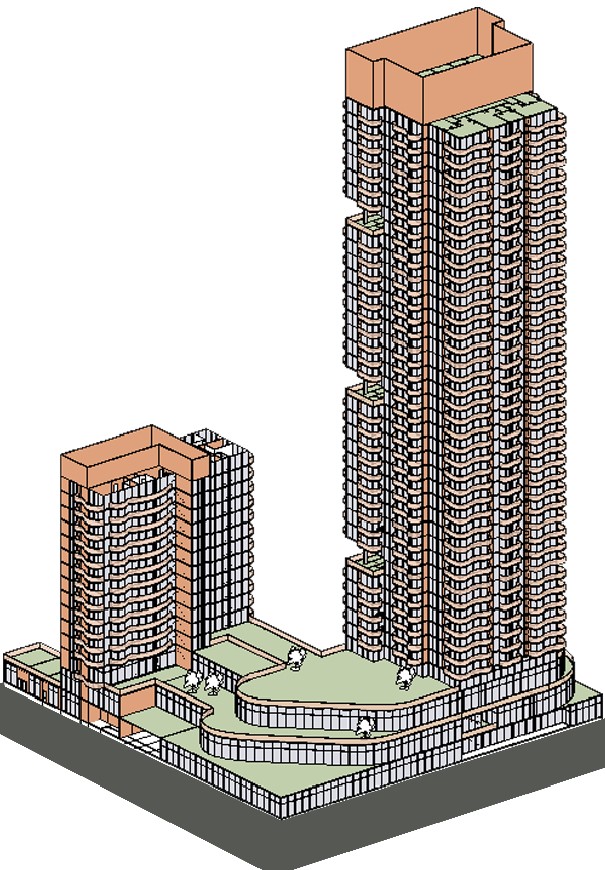
Green Flow is a mixed-use residential development envisioned to redefine the connection between urban living and nature. Located at 177 Front Street and Princess Street, this brownfield redevelopment project revitalizes a previously underutilized site in downtown Toronto by transforming it into a vibrant, green, and sustainable community space. The project responds to key issues associated with high-density urban environments, such as limited green spaces, environmental concerns, and a lack of community interaction.
The project was developed as part of a Semester 6 Design and CAD course, combining technical and conceptual skills to respond to modern urban challenges. One of the core ideas behind Green Flow is the integration of green spaces throughout all levels of the building—visually softening the massing while providing functional benefits such as natural cooling, improved air quality, and shared social zones.
This development consists of a 43-storey condominium tower and an adjacent subsidized housing building, both anchored by a three-storey podium that includes residential amenities, shared outdoor spaces, and service areas. The stepped nature of the podium, paired with curved balcony edges, breaks the rigidity of traditional high-rise buildings and introduces a sense of flow. Each floor was thoughtfully designed to incorporate curved balconies and alternating green terraces every three to five floors. These shared terraces serve as amenity spaces and communal gardens—enhancing opportunities for interaction among residents while bringing greenery to vertical spaces.
The architectural language combines modernity with organic design principles. The balconies feature coloured glass railings, and the exterior materials include NBK terracotta cladding, bird-friendly glazing, and sustainable composite panels, reinforcing the project’s commitment to environmental responsibility.
The podium plays a critical role in community engagement. With plans for a summer community garden, barbecue zones, and outdoor seating areas, the podium promotes interaction among residents of both the condo and subsidized housing units. Terraces are strategically positioned to overlook each other and the tower, creating a layered and open environment that fosters a sense of belonging. These spaces function as social nodes, encouraging interaction, reducing isolation, and building a stronger community network within the urban fabric.
Sustainability is at the heart of this project. Green roofs, vertical gardens, and biophilic elements enhance the indoor environment while reducing urban heat island effects. Indoor spaces like the lobby, daycare, and office zones are designed with biophilic features such as interior planting and natural materials to improve user experience and well-being. The design supports passive cooling, improved air quality, and access to daylight, contributing to the overall wellness of its residents.
The use of Revit software played a key role in developing the Green Flow project, enabling accurate 3D modeling, effective visualization ensuring the design met both aesthetic and functional goals.
At its core, Green Flow envisions a future-forward urban space that is not only livable but restorative. The project reflects how intentional design can support environmental responsibility, improve quality of life, and strengthen community ties. The design shows how even dense cityscapes can make room for nature—helping communities grow closer while respecting the planet.
Updated
1 year ago
Powered by Acadiate
© 2011-2026, Acadiate Inc. or its affiliates · Privacy