 CLOSE SIDEBAR
Assessing the Potential Market and Emissions Impact of Extended-Range Electric Vehicles in Ontario
Mitan Mzouri
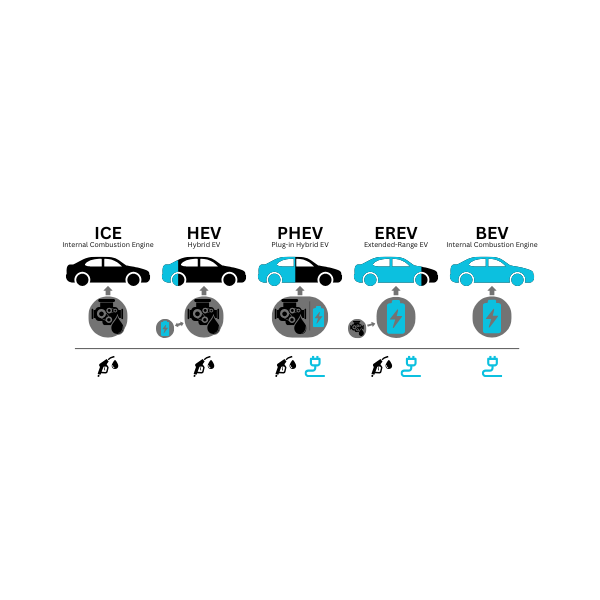
This study evaluates the potential emissions impact of Extended-Range Electric Vehicles (EREVs) in Ontario through a stated preference experiment and discrete-choice econometric modelling. While Battery Electric Vehicles (BEVs) are central to transportation electrification efforts, their widespread adoption is hindered by persistent barriers such as range anxiety and high upfront costs. Meanwhile, increasingly popular Plug-in Hybrid Electric Vehicles (PHEVs) continue to produce tailpipe emissions, often at higher levels than anticipated due to low utilization of electric-only driving mode. EREVs are now bringing PHEVs one step closer to full electrification by expanding battery and motor size while reducing the internal combustion engine (ICE) to an auxiliary backup generator. To assess potential consumer adoption of EREVs, we conducted a stated preference discrete choice experiment with Ontario residents, evaluating EREVs alongside conventional ICE vehicles, hybrid electric vehicles (HEVs), PHEVs, and BEVs. This choice experiment data was then analyzed using a Mixed Logit econometric model to predict market shares across different vehicle types. The outcome of the experiment allowed us to project annual transportation emissions changes under various market composition scenarios. This paper provides valuable insights for policymakers and the automotive sector to accelerate and prepare for future ZEV demand through optimized vehicle technology pathways.

Powered by Acadiate
© 2011-2026, Acadiate Inc. or its affiliates · Privacy