 CLOSE SIDEBAR
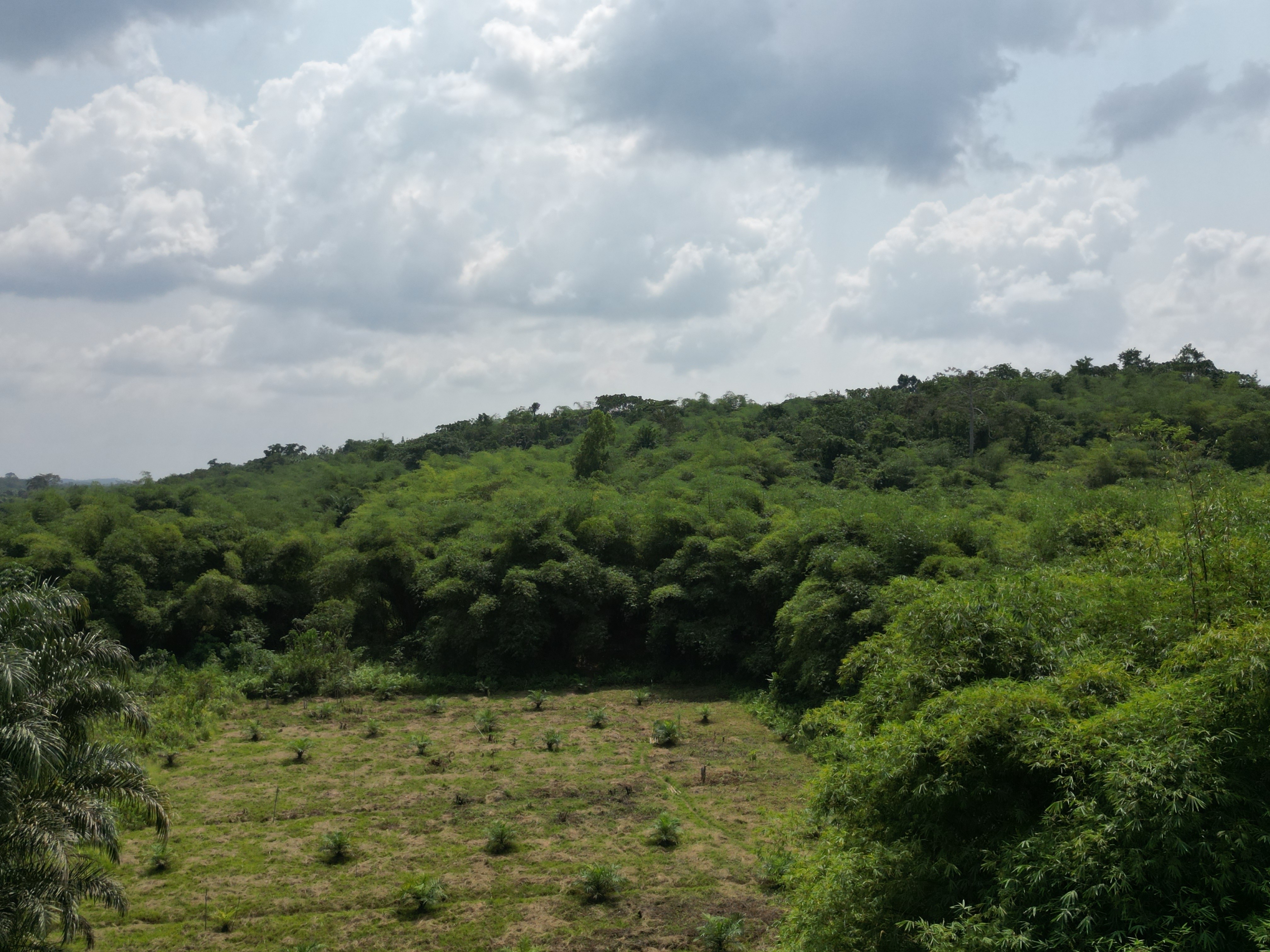
Sustainable Agriculture in Ivory Coast: Current states, Barriers and Opportunities
Charles Billon
Côte d’Ivoire (Ivory Coast) is a major country for agricultural production in West Africa. The country is important for global commodity consumption by being the world’s first producer of cocoa, cashews and a major producer of palm oil fruits, natural rubber, yams and cassava. Agriculture is the most important activity for the country’s economy and social stability. It is the greatest source of employment, and small-scale farmers account for the majority national production. Agriculture has also been responsible for important deforestation and land use change in the country, which raised increasing concerns about the sustainability of farming practices in the country, especially for cocoa.
This paper assessed the state and progression of sustainable agriculture practices in Ivory Coast, to understand what barriers and drivers influence the adoption or transition to sustainable agriculture. A literature review has been conducted to understand the different approaches, definitions and practices of sustainable agriculture, the context and specificity of the Ivorian agriculture sector, and the state of sustainable agriculture in the country. Interviews were also conducted with relevant organizations and individuals involved in the sector to gather qualitative data from expert’s perspectives on the topic. A thematic analysis has been performed using AI to extract insights by identifying excerpts and generating codes to summarize findings.
Our research shows that the transition to sustainable agriculture in Ivory Coast is slow and challenged by diverse barriers: most sustainable agriculture related projects are driven by donors in the cocoa sector, which has high international scrutiny and the willingness of major companies in the cocoa and chocolate industry to make their supply chain more responsible. Across the agriculture sector, farmers lack both the financial capacity, support and technical assistance to successfully transition to sustainable practices. While there are increasing discussions and willingness to transition, a lack of harmonization in agriculture-related policies undermine the transition. These findings are important: given the importance of Ivory Coast for global supply of major agricultural commodities, we wish to raise more awareness about the need to support farmers for sustainable transition and resilience. Public, private, and financial support are key for effective sustainable transition and ensure that the agricultural sector of Ivory Coast is sustainable and continues to provide livelihood for local populations.

Powered by Acadiate
© 2011-2026, Acadiate Inc. or its affiliates · Privacy