 CLOSE SIDEBAR
Financing Just Transition: Mechanisms for Coal Plant Retirement and Repurpose in India’s Energy Transition
Deep Parekh
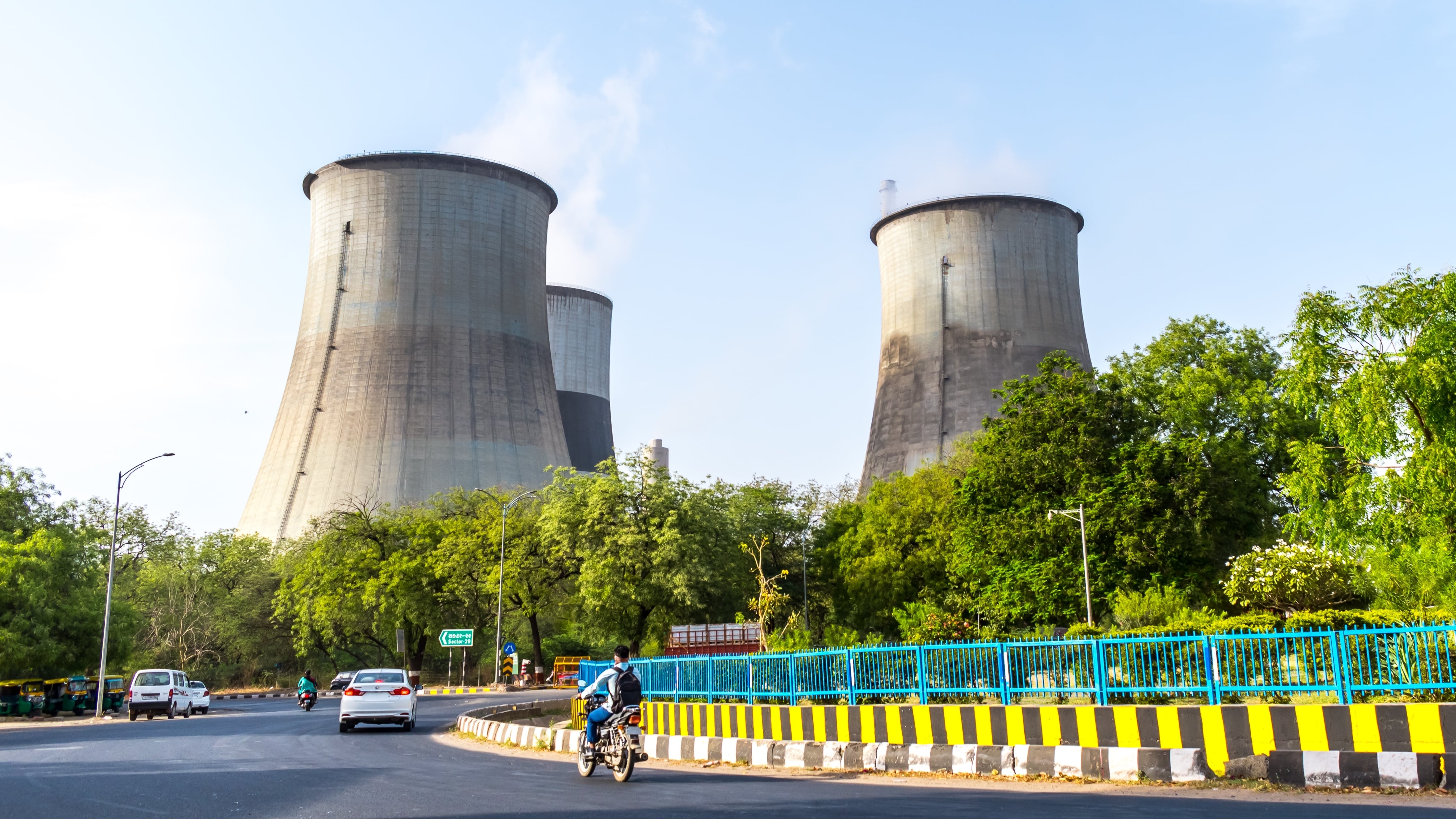
India's energy transition presents a complex challenge as the country aims to reconcile economic development, social equity, and environmental sustainability while reducing its heavy reliance on coal. Coal-fired power plants, responsible for approximately 95% of India’s power sector emissions, are becoming increasingly unviable due to rising costs, declining capacity utilization, and competition from cheaper renewable energy sources. This study investigates financing mechanisms for retiring and repurposing coal plants in India, evaluating their feasibility through qualitative and quantitative analyses.
The study concludes that a uniform financial approach is inadequate for India’s coal phase-out. Instead, a tiered strategy that prioritizes older plants for immediate retirement while leveraging concessional finance and targeted incentives for mid-life and younger plants is necessary. Policymakers must integrate carbon pricing, structured decommissioning funds, and blended finance models to align financial viability with climate commitments while ensuring a just transition for coal-dependent workers and communities. These findings provide actionable recommendations for climate finance practitioners, multilateral lenders, and policymakers seeking to accelerate India's transition away from coal.

Powered by Acadiate
© 2011-2026, Acadiate Inc. or its affiliates · Privacy