 CLOSE SIDEBAR
Exploring News Media Coverage of Transit-Induced Gentrification: A Case Study of Hamilton Light Rail Transit
Kaitlin MacDonald
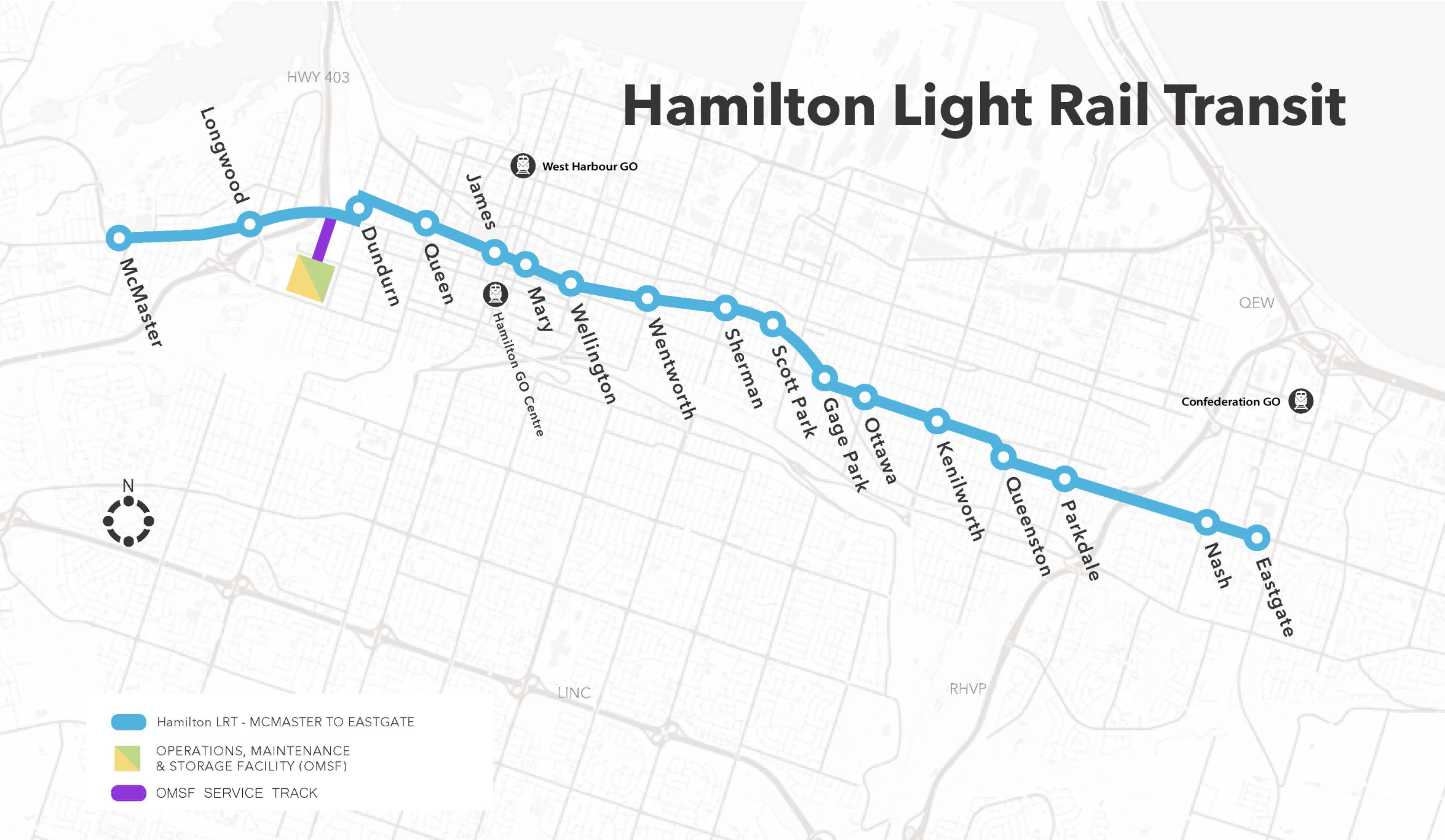
As cities grow and climate change challenges escalate, sustainable development is essential for building an inclusive, livable, and resilient future for all. Transit-oriented development (TOD) has become a popular planning strategy to promote sustainable urban growth. While TOD is often viewed as a positive approach, concerns remain about the potential to induce gentrification. Previous research has explored various TOD impacts, but limited studies have examined the pre-planning phase to mitigate gentrification. A qualitative content analysis of 228 Canadian news sources over the past decade was conducted to assess the extent to which transit-induced gentrification is a concern in media discussions about Hamilton’s planned light rail transit (LRT). The purpose of the research is to understand efforts to mitigate transit-induced gentrification and the role it plays in exacerbating social inequality. The findings reveal that only a small number of sources explicitly reference gentrification, displacement, or expropriation, indicating it was not a dominant topic. However, related themes such as affordability, Hamilton’s growth, and urban revitalization frequently appear, which align with literature on the relationship between TOD and land value. This reflects concerns about affordability associated with new development and highlights potential policy direction. These insights contribute to the ongoing research on how gentrification is influenced by local socioeconomic factors, existing urban infrastructure, and regulatory frameworks.

Powered by Acadiate
© 2011-2026, Acadiate Inc. or its affiliates · Privacy