 CLOSE SIDEBAR
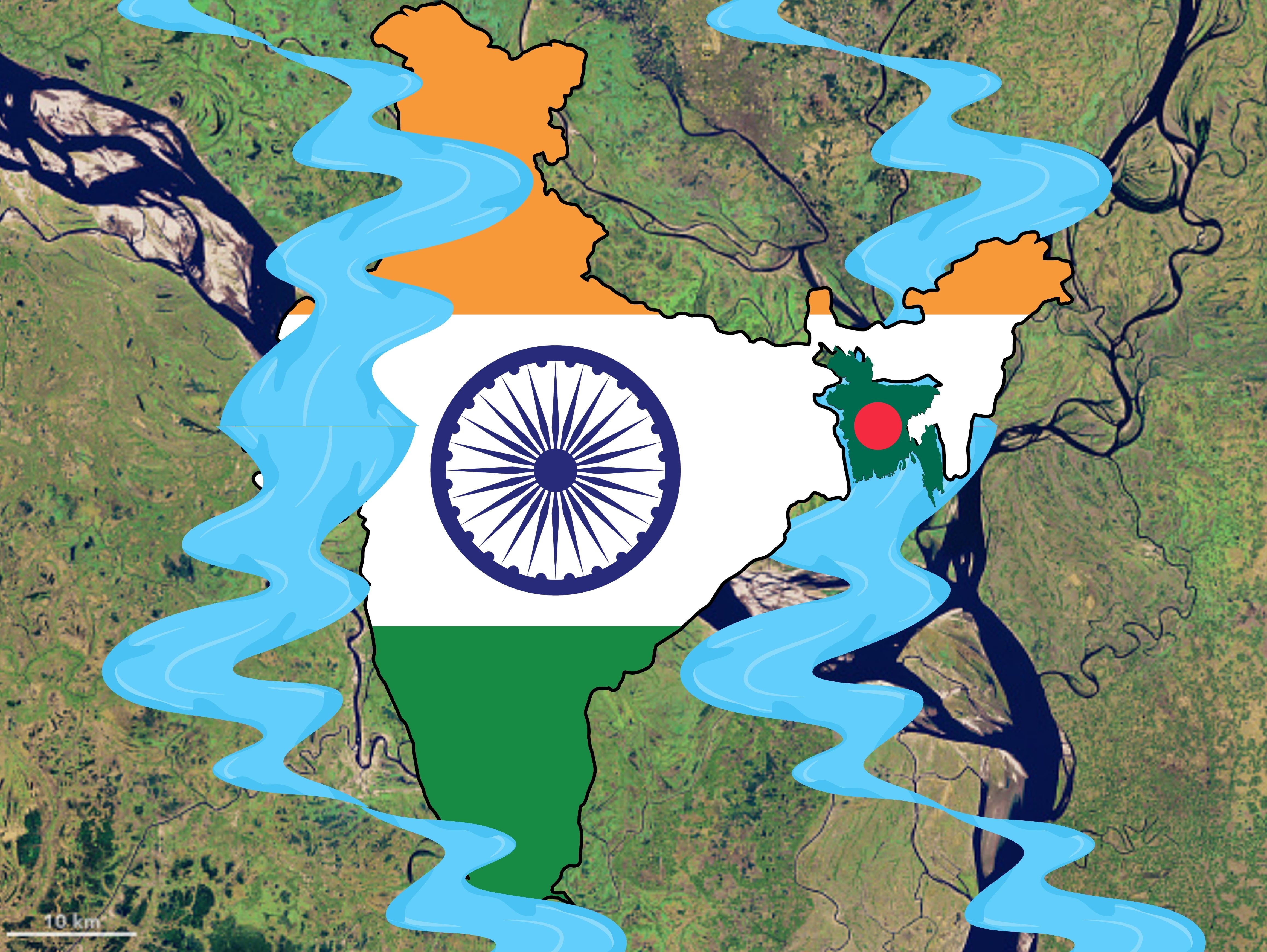
Framing Floods: Transboundary Water Conflict and Cooperation between India and Bangladesh in Natural and Anthropogenic Contexts
Divya Dey
Flooding is the most frequent environmental disaster globally, with more than 10% occurring in transboundary water systems. Transboundary waters account for 60% of the world’s freshwater flows, with 153 countries relying on one or more of the 286 shared river and lake basins or 592 transboundary aquifer systems. As climate change accelerates at an unprecedented pace, the frequency and severity of natural disasters are expected to rise, underscoring the urgent need for effective transboundary water governance. This research explores how the transboundary dimensions of flooding are represented in both international and government responses, using the 2022 and 2024 Bangladesh floods as comparative case studies. Drawing on an analysis of 18 reports and press releases from international organizations and governmental bodies, the study identifies a consistent underrepresentation of the upstream-downstream hydropolitics between India and Bangladesh. Despite both flood events being inherently transboundary in nature—one predominantly natural, the other exacerbated by upstream infrastructure—international narratives frame them as isolated climate-induced emergencies. These accounts emphasized humanitarian impacts and logistical responses, while often overlooking the broader areas of conflict and cooperation drivers of the disasters. This study recommends bridging the gap between transboundary water research and disaster reporting. Integrating water diplomacy, equity, and cooperation into flood assessments can shift responses from reactive to preventative, enabling more sustainable and inclusive governance of shared water systems.

Powered by Acadiate
© 2011-2026, Acadiate Inc. or its affiliates · Privacy