 CLOSE SIDEBAR
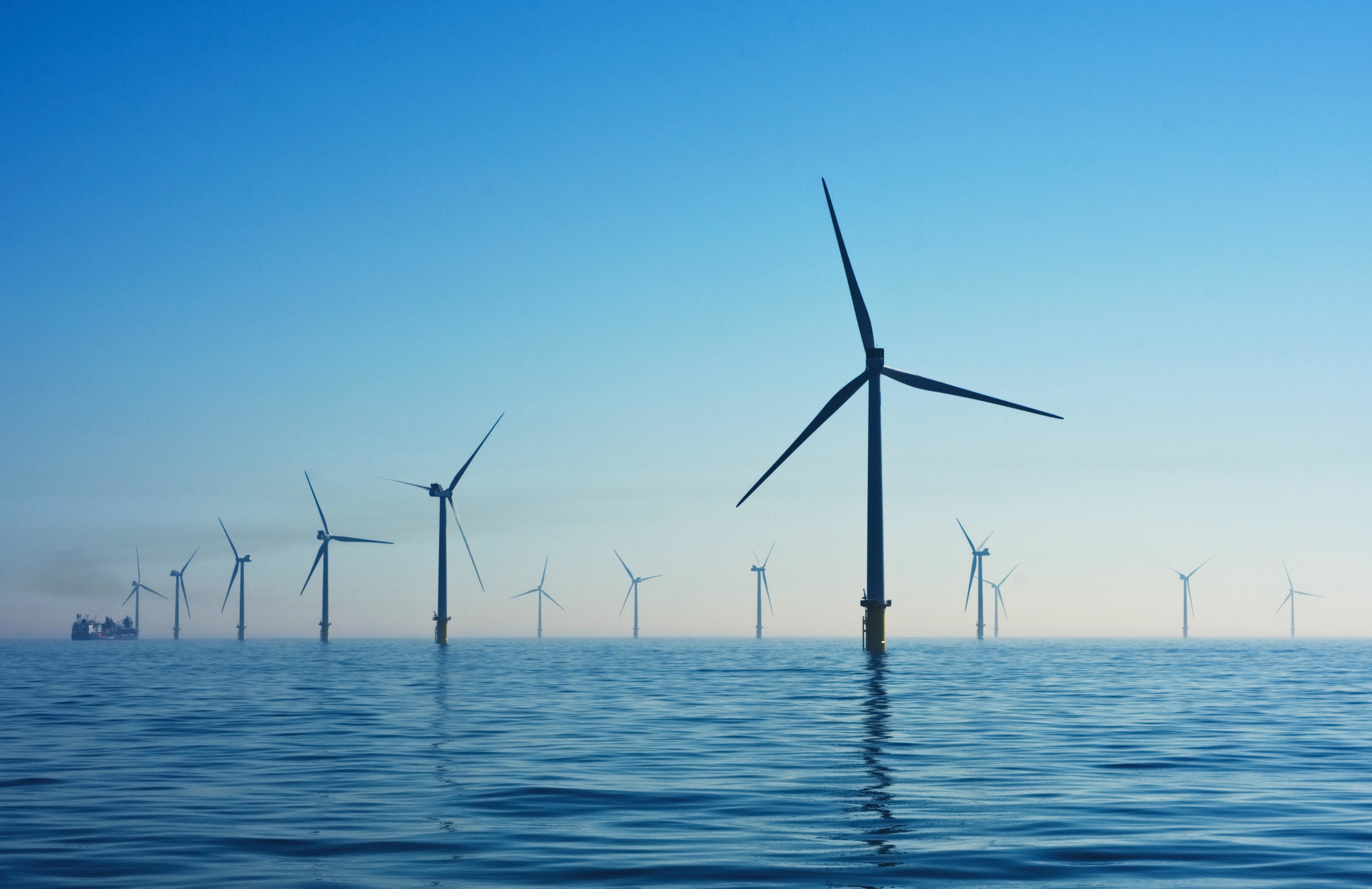
Offshore wind farm impacts and regulations: Should Nova Scotia learn from Europe?
Becky J Sober
As the emergence of offshore wind farms (OWFs) continues to grow across global waters, ensuring these projects are completed as environmentally friendly as possible is key. As the impacts of OWFs vary depending on geographical or species lens, this literature analysis was done through a case study approach, using harbour porpoises (Phocoena phocoena) to identify OWF impacts. These findings were utilized to provide recommendations for Canadas revision of the Canada-Nova Scotia Offshore Petroleum Resources Accord Implementation Act. As Nova Scotia has paused OWF development until the framework for the jointly managed federal-provincial areas is in place, identifying harbour porpoise impacts and respective mitigation measures is key. This paper includes site selection, construction, and operation specific recommendations for Nova Scotia. Site selection should include a formal stakeholder input process to identify stakeholder concern. This paper further defines acoustic noise levels that OWF construction should adhere to in order to reduce impacts on harbour porpoises. Further, this paper recommends mitigation measures to be used during construction to mitigate noise levels such as double big bubble curtains (DBBCs) and acoustic porpoise deterrents (APDs). Last, this paper recommends a re-occurring monitoring program to reduce the likelihood of invasive species around OWF structures. Future research should be conducted using a site-specific lens to identify water characteristics that may impact noise travel, and therefore alter mitigation methods.

Powered by Acadiate
© 2011-2026, Acadiate Inc. or its affiliates · Privacy