 CLOSE SIDEBAR
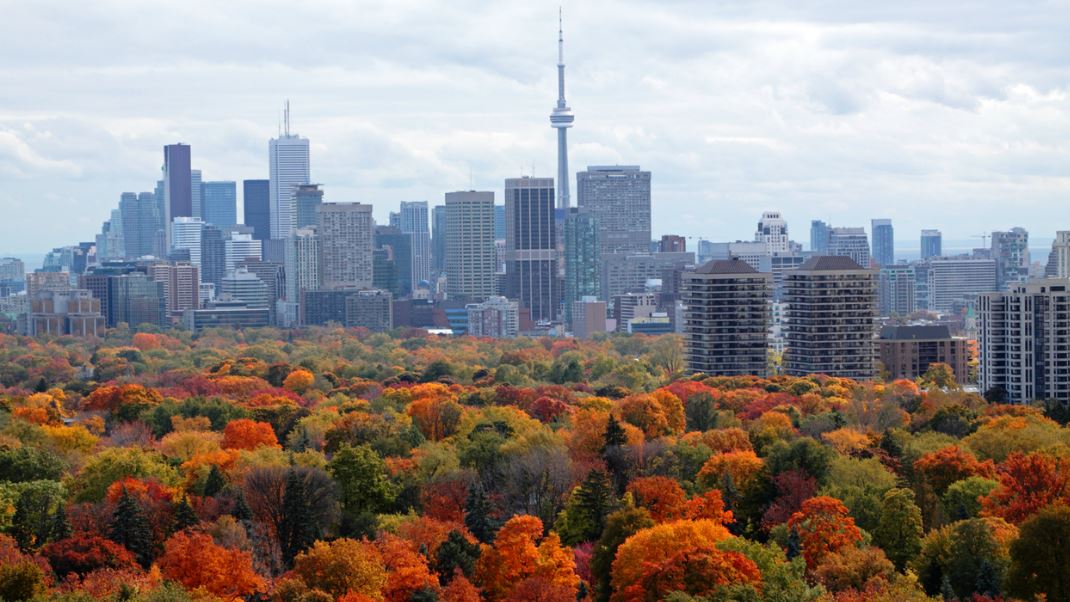
Optimizing Ecosystem Services of Urban Forests in Toronto for Climate Resilience
Valerie Lin
This review synthesizes current research on the role of urban forests in mitigating and adapting to climate change in the context of the City of Toronto. Urban forests provide a myriad of ecosystem services, including but not limited to, reducing urban heat island effects, sequestering carbon, and managing stormwater runoff. This paper examines the vulnerabilities of urban forests to climate change and identifies the key characteristics that are conducive to climate change mitigation. The Preferred Reporting Items for Systematic Reviews and Meta-Analyses (PRISMA) method was utilized to extract relevant information from scholarly articles. The review found that spatial configurations and tree attributes such as the Leaf Area Index (LAI), canopy diameter, and species type can all be indicative of capacities to provide certain ecosystem services. Recommendations for urban forest practitioners and research are provided to guide the sustainable management of urban forests in Toronto. This review contributes to a deeper understanding of urban forests as a vital component of climate change adaptation and highlights the need for integrated approaches in urban forestry management.

Powered by Acadiate
© 2011-2026, Acadiate Inc. or its affiliates · Privacy