 CLOSE SIDEBAR
Digital Twin for Predictive Maintenance: Benefits & Challenges of using DT-PdM for a sustainable supply chain
Megha Monga
Artificial Intelligence (AI), Internet of Things (IoT), Industrial Internet of Things (IIoT), and Machine learning have become the center of attention for all business industries now. The use of sustainable technology is a shared responsibility that is influenced by environmental, social, and governance (ESG) standards and regulations and can promote business sustainability. While the concept of digital twin was first announced in 2002 by Dr. Michael Grieves, who is a globally renowned expert in Product Lifecycle Management (PLM), it is only now that digital twin is becoming a business imperative as the world progresses towards the next phase in digitization of the manufacturing sector, known as the Industry 4.0 or the Fourth Industrial Revolution, which focuses heavily on automation and real-time data tracking in manufacturing while reducing the overall carbon footprint across the supply chain.
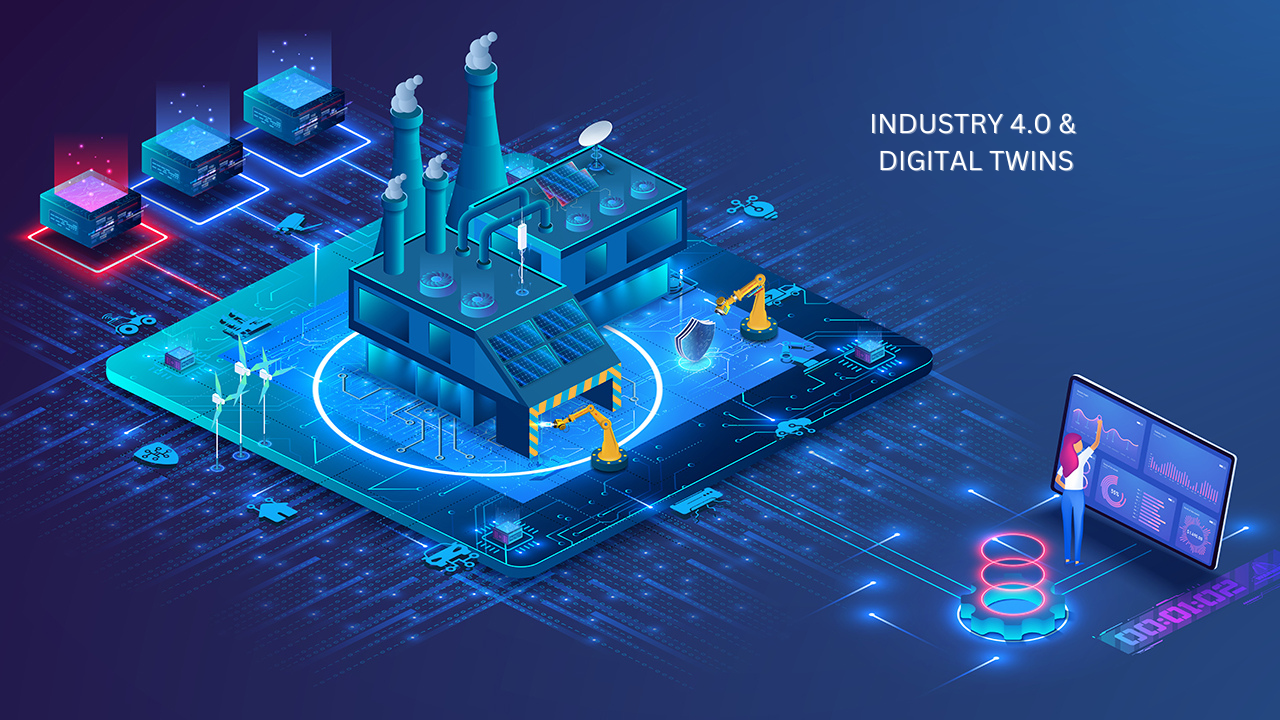
Digital twin is a virtual representation of the real-world equipment, device or system in real-time, generates data and offers insights into the performance and potential problems of the asset. Predictive Maintenance (PdM), on the other hand, is a technique to predict the future potential health of the asset or system, identify any anomalies, and anticipate any problems in advance. One of the key challenges in predictive maintenance is the lack of optimal real-time data for failure detection. The recent advancement in Digital Twin (DT) technology has shown potential for facilitating the development and execution of Predictive Maintenance (PdM).
This paper focuses on a scoping literature review of the potential of digital twin in improving predictive maintenance by providing real-time data and insights into the asset or system, which can ultimately lead to a positive impact in sustainability efforts as fewer maintenance cycles cuts down on the related carbon footprint.

Powered by Acadiate
© 2011-2026, Acadiate Inc. or its affiliates · Privacy