 CLOSE SIDEBAR
Plastics Unleashed: Assessing Microplastic Environmental Impacts and Remobilization Risks in Freshwater Sediments
Sydney Hogan
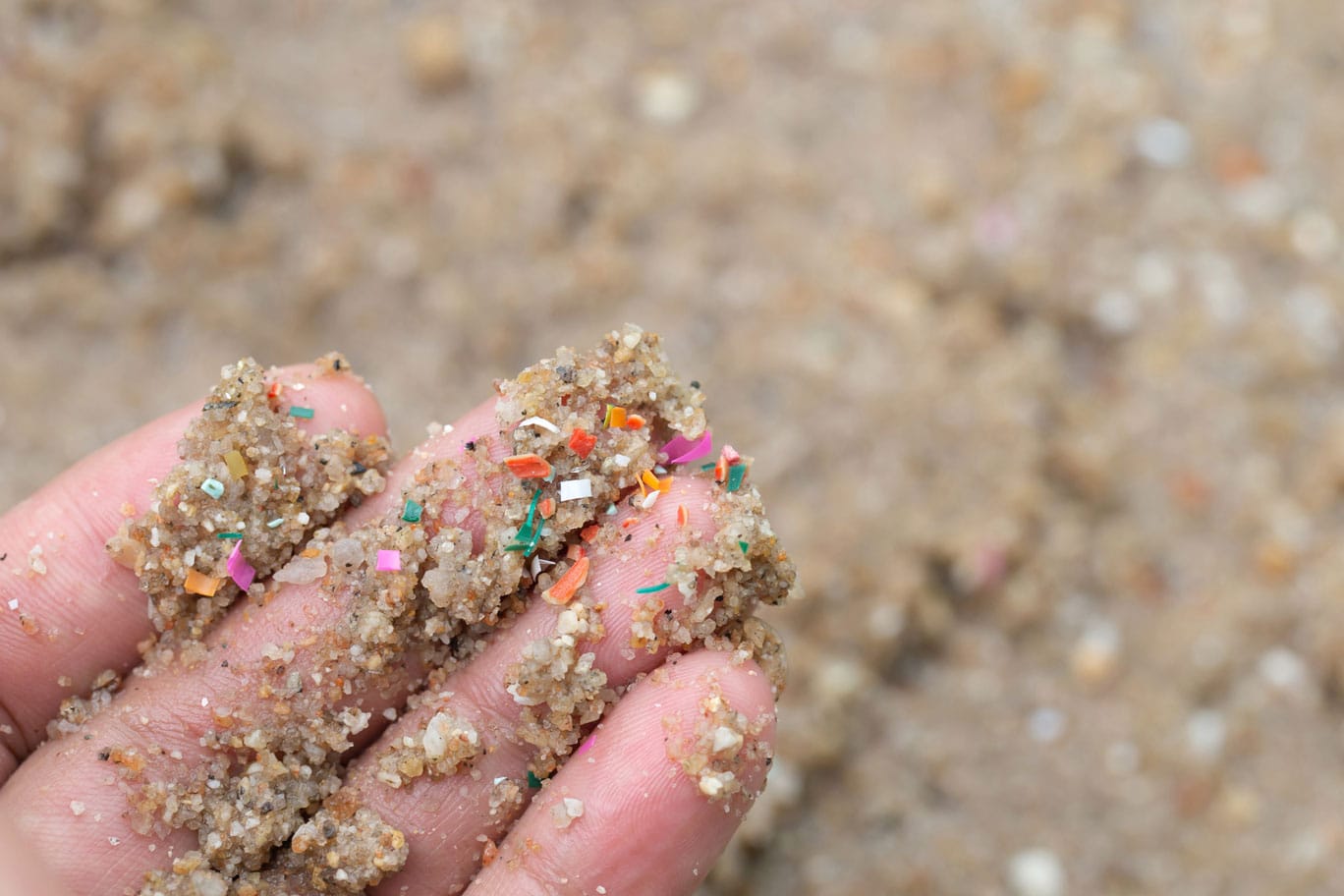
The pervasive infiltration of microplastics into freshwater ecosystems poses a complex and multifaceted threat to environmental health and biodiversity. This literature review synthesizes findings from 78 scholarly articles to interpret the harmful impacts of microplastic pollution within the sediment layers of freshwater ecosystems and the potential consequences of their remobilization due to sediment disturbing events. This comprehensive analysis reveals that microplastics significantly disrupt the ecological balance, particularly affecting benthic communities by diminishing their abundance, survival, and reproductive capabilities. These disruptions have cascading effects on the broader ecological networks, including destabilizing food webs through trophic transfer and bioaccumulation, and thereby endangering the biodiversity and overall health of freshwater environments. Additionally, microplastics pose a direct threat to the natural nutrient cycles, releasing contaminants that contribute to eutrophication by altering phosphate and nitrogen levels within the water column. Sediment disturbing events can occur due to natural processes or anthropogenic activities. These events cause microplastics to remobilize from the sediments they were originally deposited in. This exacerbates these issues by dispersing microplastics throughout the water column, polluting new areas, and enhancing the environmental hazards of aged microplastics. This review underscores the urgent need for a deeper understanding and effective management of microplastic pollution to safeguard the integrity and functionality of freshwater ecosystems. It advocates for intensified research and the adoption of integrated mitigation strategies, highlighting the critical role of addressing microplastic contamination in preserving the invaluable ecological services and biodiversity afforded by freshwater systems.

Powered by Acadiate
© 2011-2026, Acadiate Inc. or its affiliates · Privacy