 CLOSE SIDEBAR
When it's time, start the Webex meeting here.
Thursday, April 14, 2022
2:00 PM | (UTC-04:00) Eastern Time (US & Canada) | 1 hr
 Join Meeting
Active Manipulation of Crystal Nucleation and Growth via Nanopipette Techniques
Sydney Howard (Faculty Sponsor: Dr. Bin Xu)
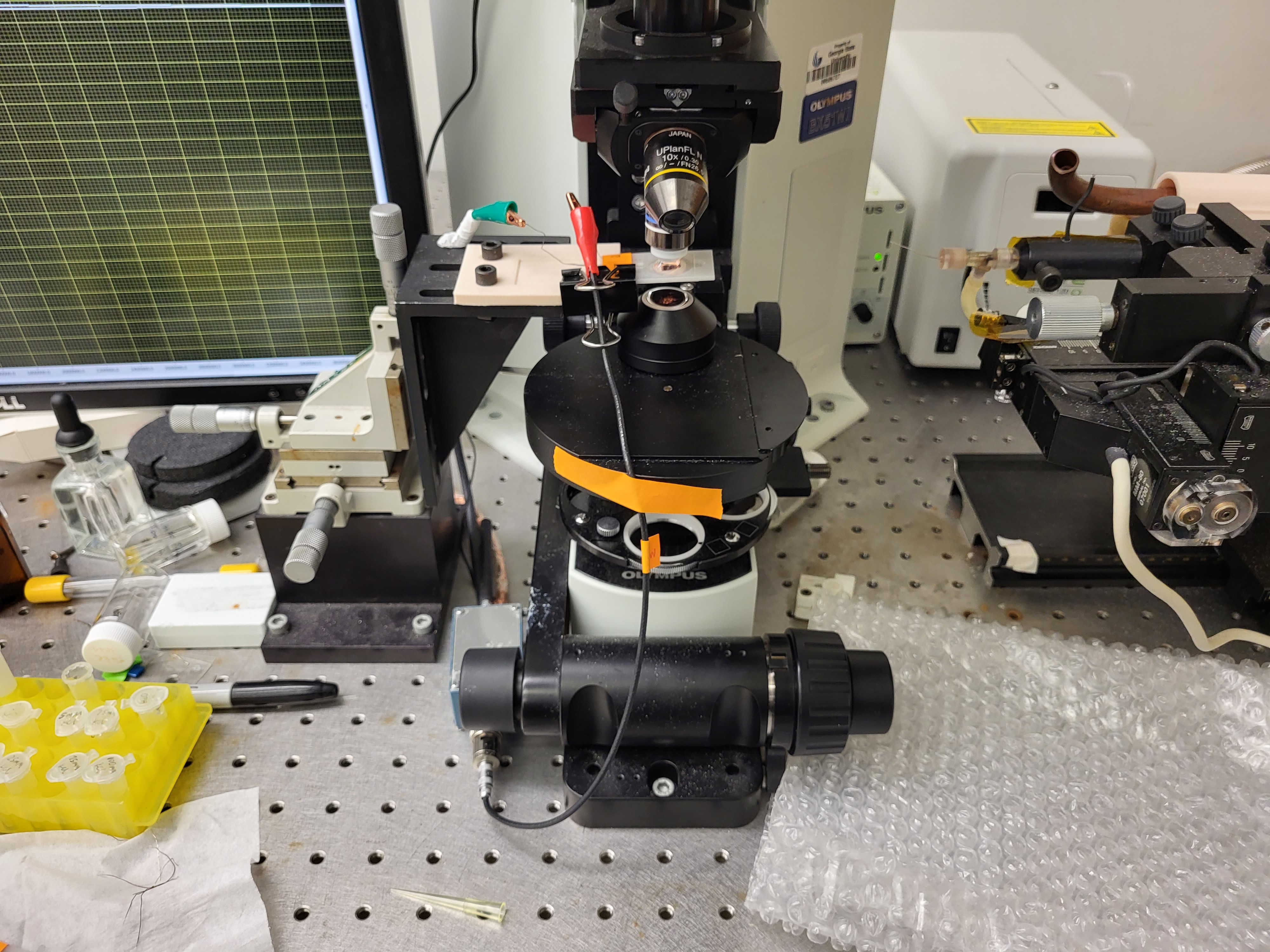
Nucleation and crystal growth are fundamentally important procedures involved within varied fields of science and technology, such as pharmaceutical drug manufacturing process and protein purification procedures, etc. Nucleation is commonly involved in a heterogeneous subsequent two-component system; however, previous nucleation methods could not regulate and monitor the dynamics of the process efficiently. Therefore, quite some materials cannot crystallize at all or can only form crystals of poor quality. Recent research has shown that using a nanopipette-based nucleation-crystal growth system allows for the measurability and manipulation of this procedure to specified criteria. This work replicated parts of a previous study using differing concentrations of HCl to actively control the nucleation and crystal growth of α-lipoic acid from a supersaturated α-lipoic acid solution. As in the previous study, 5 M HCl was placed in a nanopipette tip, then a droplet of α-lipoic acid was put in a house fabricated container. An electric potential of 1 V was applied to the nanopipette through an electrode for 5 minutes. Like the previous study, a crystal was formed; however, it was formed too quickly. So, to slow down the crystal formation, for this experiment, 1 M HCl was used to replace 5 M HCl with the other parameters still the same, except that the duration of the electric field applied was extended to 25 minutes. The experiment resulted in no crystal formation from the supersaturated α-lipoic acid solution. In future research, the effects of HCl concentration, the duration of time the electric potential is applied, and the voltage of the electric potential on the crystal nucleation and growth will be studied systematically.

Powered by Acadiate
© 2011-2026, Acadiate Inc. or its affiliates · Privacy