 CLOSE SIDEBAR
 Join Meeting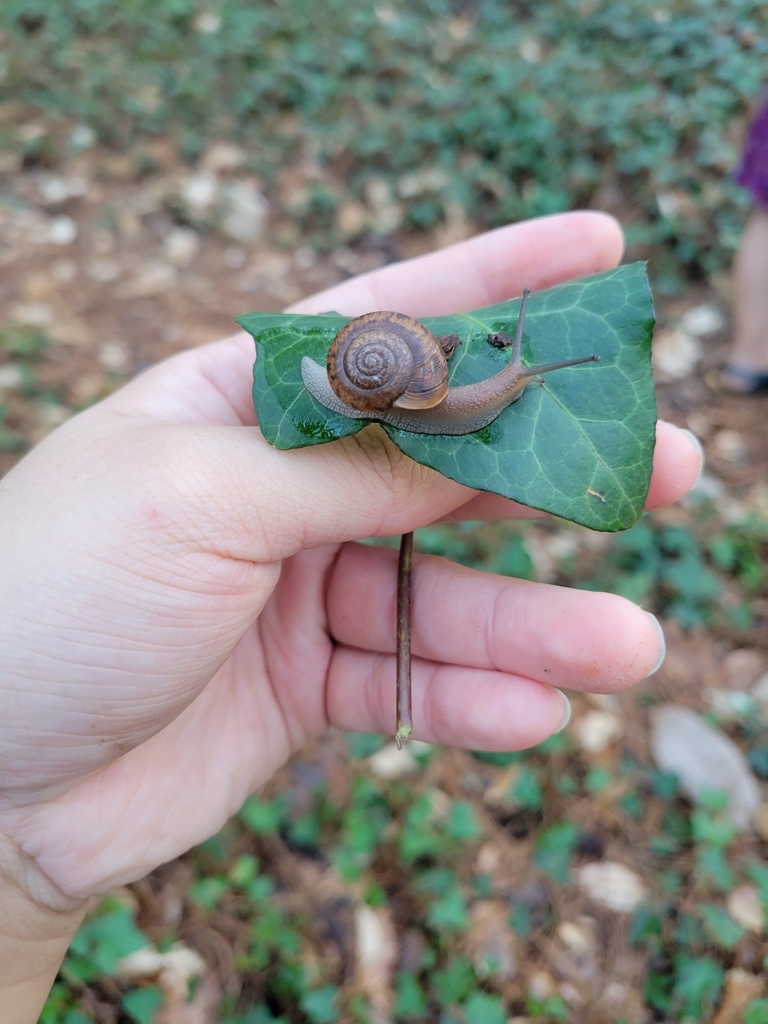
Natural Community Types and Native and Non-Native Terrestrial Gastropods in the Piedmont Region in Georgia
Raquel Gonzalez (Faculty Sponsor: Dr. Visaggi)
student

Land snails and slugs are found on all continents. They impact ecosystem function through calcium cycling and decomposition and can mostly be found in the upper leaf litter of forests. Due to their limited movement over their lifetime, they can serve as indicators of site conditions and environmental health affected by urbanization, pollution and more. Research on land snails and slugs in Georgia is limited and primarily focused on species distribution at larger geographic scales. This study aims to examine assemblages of land snails and slugs as they correspond to different natural community types in the Piedmont region around metro Atlanta. This physiographic region is underlain by igneous and metamorphic rocks including granite, gneiss, and schist. Natural community types are formed as a product of weathered rock that determines soil composition, moisture, depth, and contributes to slope-direction/angle. Terrestrial gastropod assemblages are expected to vary between communities due to differences in diversity of plants and soil composition.
Three of the seven natural community types in the Piedmont were the focus of this research: Mesic Forests, Oak-Pine-Hickory Forests, and Pine-Oak Woodlands. To date, fourteen localities have been selected for study, with fieldwork consisting of site visits to search for snails and slugs in moist, shaded areas primarily by turning over logs or other detritus. Observations are all uploaded, geo-referenced, and identified through the iNaturalist application. Additional data from public observations in iNaturalist were also utilized in this research. Over 250 observations have been examined so far with at least 19 genera and 28 species included. Of the 19 genera documented, 13 are represented by native species, and 5 are represented by non-native species with one genus presumed to have both native and non-native species in the region. The presence of non-native taxa, some yet to be formally reported in Georgia, is particularly concerning given that they may negatively impact native species or become invasive with cascading effects on the ecosystem. Data collection is still ongoing; more research is needed to determine the extent to which snail/slug assemblages reflect natural community types and the influence of human activities at these localities.

Powered by Acadiate
© 2011-2026, Acadiate Inc. or its affiliates · Privacy